Our Blog
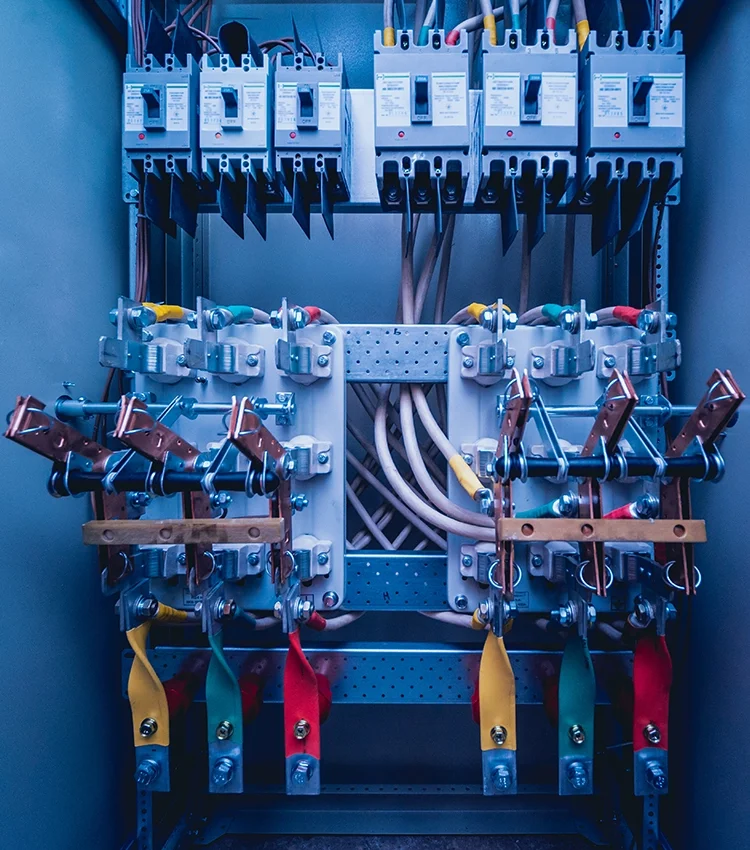
Busbar and Busbar Trunking Basics
A busbar is a rigid metal conductor, usually copper or aluminium, that carries large currents and shares them between several circuits. You will meet busbars in two places: inside electrical panels, and as busbar trunking that runs along a building in place of heavy cables.
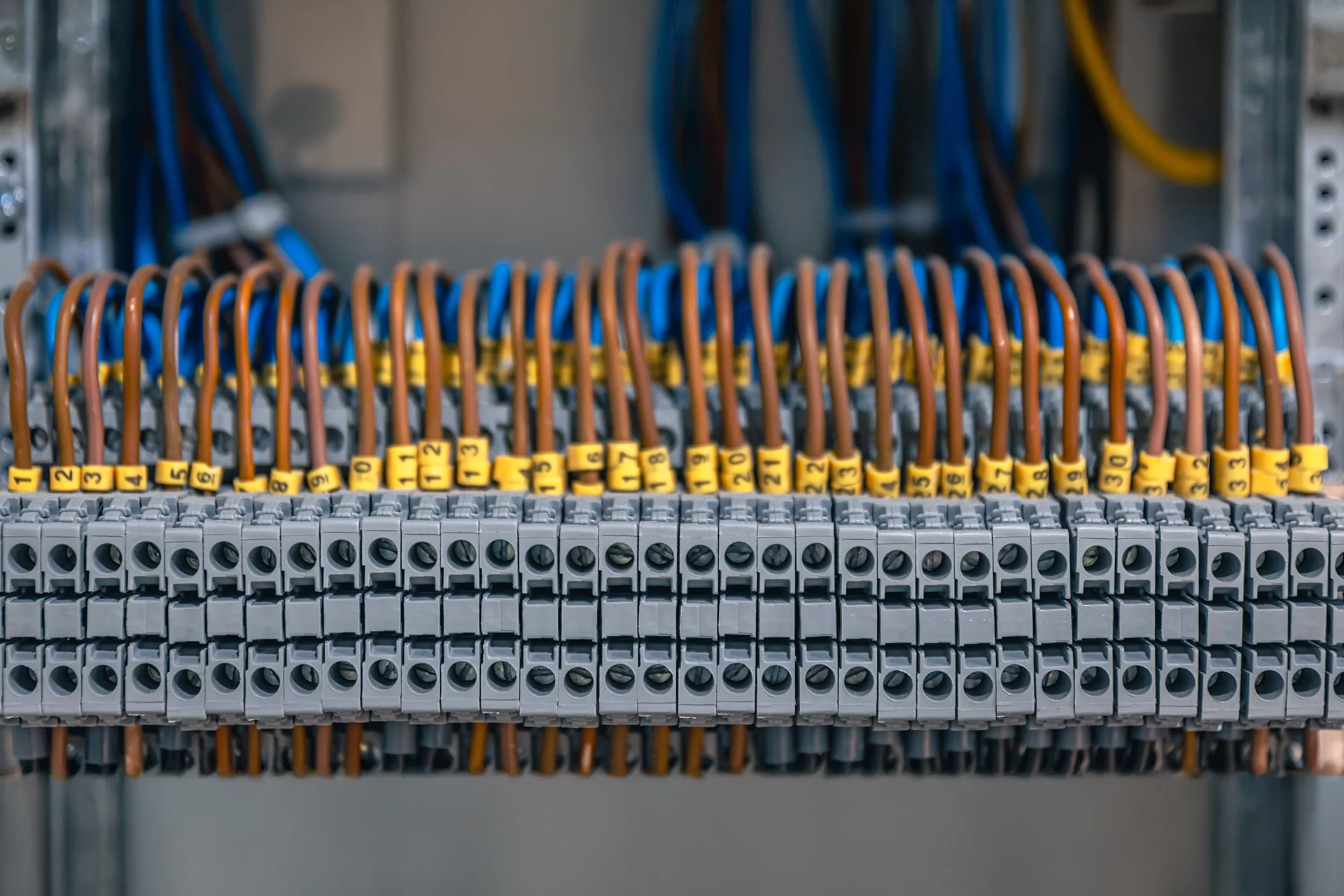
MDB, SMDB and DB Panels: What Is the Difference?
Most buildings distribute power in tiers. Power arrives at a main board, is split to sub boards, and finally reaches the final distribution boards that feed lights, sockets and equipment. The three names you will see on drawings are MDB, SMDB and DB.
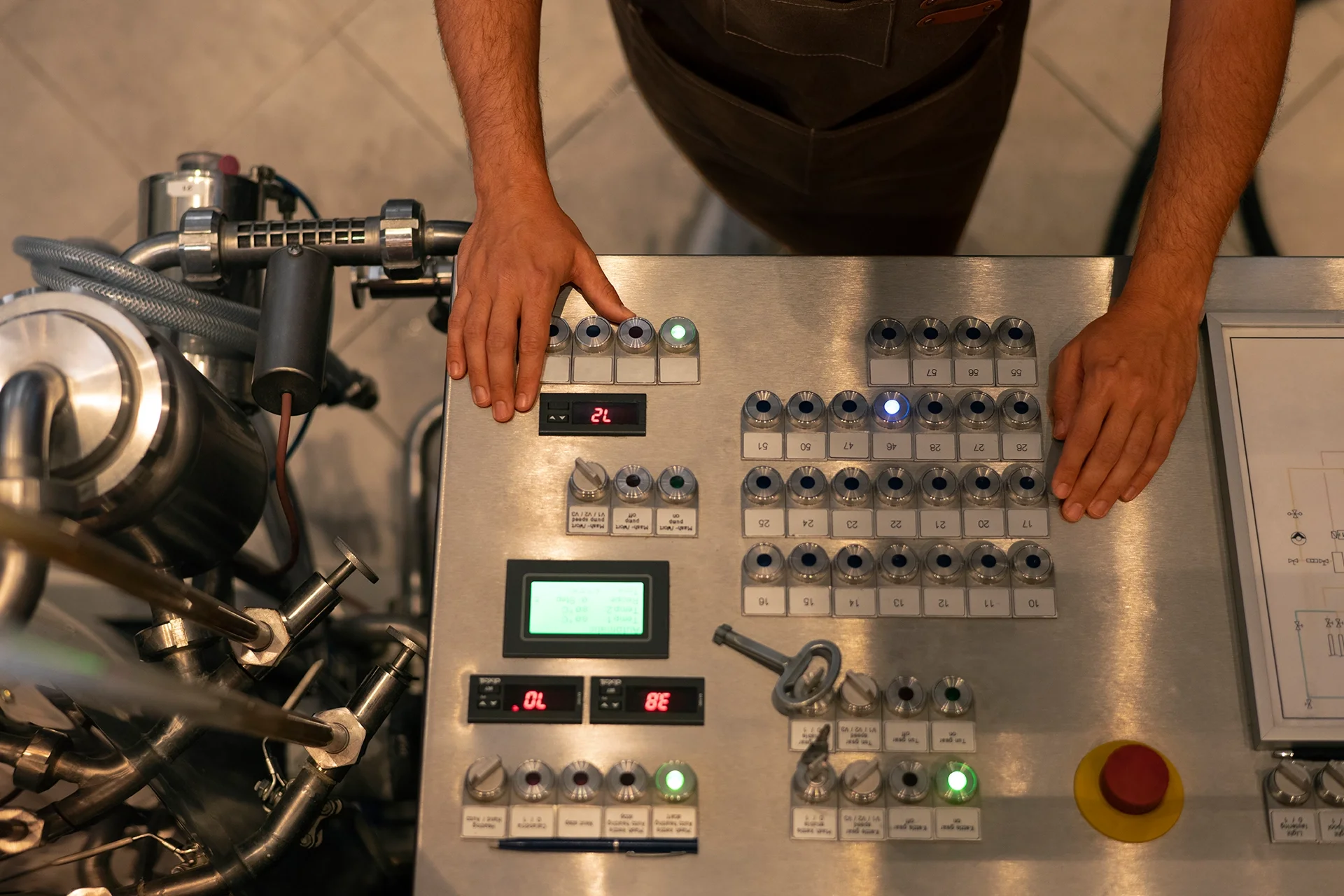
MCB vs MCCB: What Is the Difference and How Do You Choose?
Miniature circuit breakers (MCBs) and moulded case circuit breakers (MCCBs) both protect a circuit against overload and short circuit, and both can be switched off by hand. They differ in size, current range, breaking capacity and how much of the trip behaviour you can adjust.